

Products
-
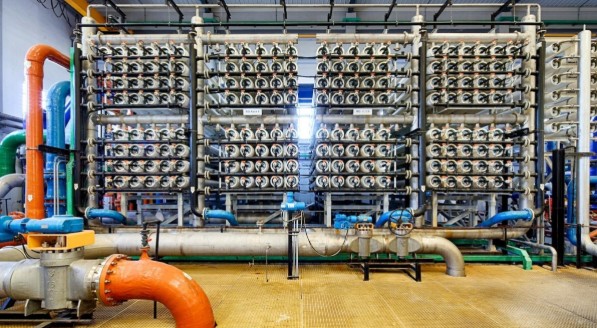
Seawater Desalination Equipmen
Seawater desalination is the use of seawater desalination to produce fresh water. It is an open source incremental technology to realize water resource utilization. It can increase the total amount of fresh water without being affected by time, space and climate, and can ensure stable water supply such as drinking water for coastal residents and industrial boiler replenishment.
View details


-
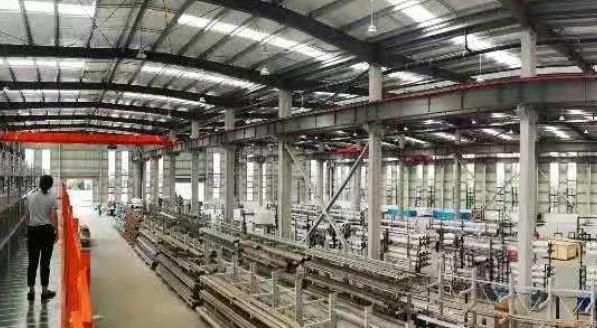
Pure Water/Ultra Pure Water
Pure water, also known as pure water, refers to the water that meets the sanitary specifications for drinking water as raw water. Ultrapure water is based on pure water to further remove the conductive medium in the water almost completely, and remove the non-dissociable colloidal substances, gases and organic substances in the water to a very low level of water.
View details
-
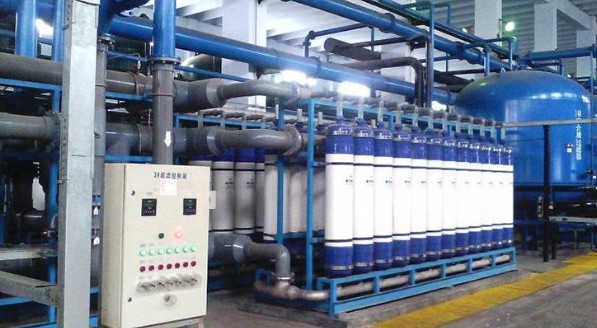
Concentration and Purification
Pure water, also known as pure water, refers to the water that meets the sanitary specifications for drinking water as raw water. Ultrapure water is based on pure water to further remove the conductive medium in the water almost completely, and remove the non-dissociable colloidal substances, gases and organic substances in the water to a very low level of water.
View details
-
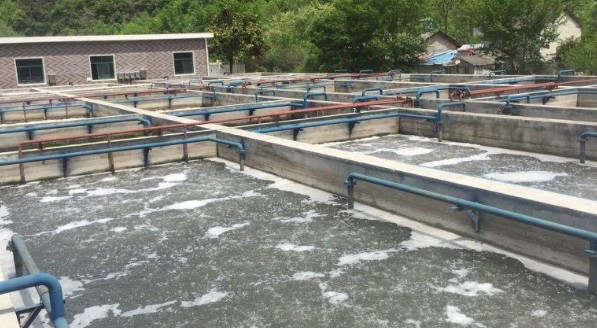
Waste Water Treatment
Wastewater treatment is the use of physical, chemical and biological methods to treat wastewater to purify wastewater and reduce pollution to meet national discharge standards. Wastewater treatment is widely used in construction, agriculture, transportation, energy, petrochemicals, environmental protection, urban landscape, Medical, catering and other fields.
View details
-
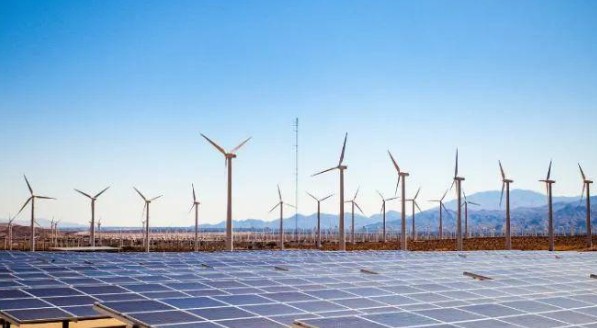
Photovoltaic And Wind Power Generation
Photovoltaic power generation uses the photovoltaic effect of solar cells to directly convert the radiant energy of the sun into electrical energy. Wind power generation is a power device that converts wind energy into mechanical work, which drives the rotor to rotate, and finally outputs alternating current.
View details
CONTACT US
 Hotline:
 Address:No.76 Longfei Road, Chengyang District,Qingdao, Shandong Province, China
 E-mail:y15092162376@163.com
Official Account


Mobile Browsing
